Should you waituntil October?
The SRES cap lifts from 100 kW to 1 MW on 1 October 2026. Commercial solar projects in that band have a decision to make.
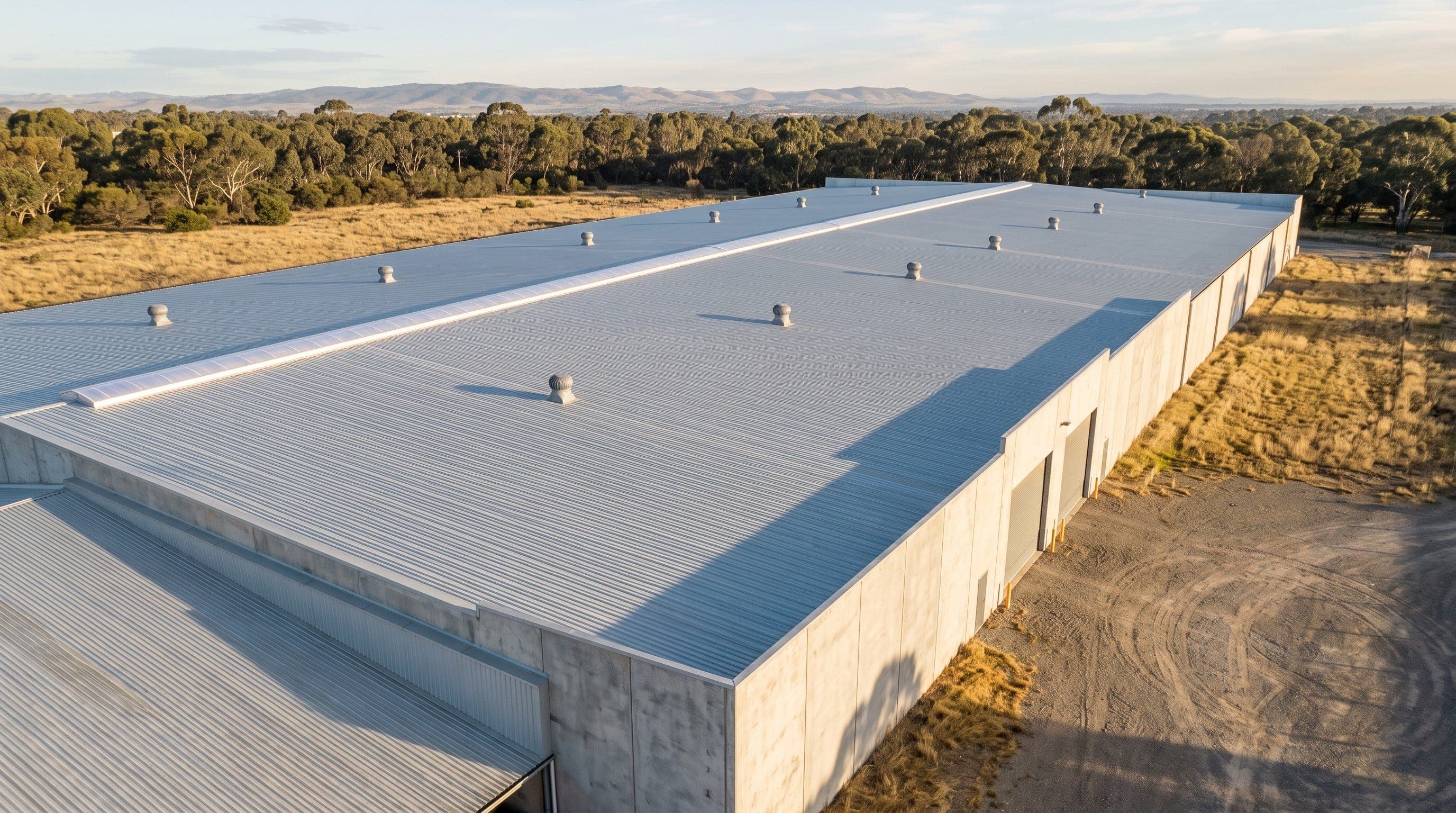
On 5 August 2026 the federal government announced it will lift the Small-scale Renewable Energy Scheme (SRES) cap from 100 kW to 1 MW, effective 1 October 2026. Systems in that band become eligible to create small-scale technology certificates (STCs), paid upfront, instead of large-scale generation certificates earned over decades. The government puts the saving at around 20 per cent of installed cost: about $68,000 off a 250 kW system, about $136,000 off a 500 kW system.
If you have a commercial solar project in that range sitting on someone's desk, you have a decision to make before October and no settled answer to make it with. Install in September and you get nothing. Install in October and you might get six figures, if the regulations land on time.
The six questions that decide it
1How big is the system, once everything on site is counted?
Below 100 kW, nothing has changed and there is no reason to wait. Above 1 MW, nothing has changed either. The decision only exists in between. The threshold is total onsite capacity, not the size of the new array, so an existing 90 kW system on the same site counts toward it.
2When does the system get installed, not signed?
Eligibility attaches to installation, not contract date. A contract signed in August with an install in November is on the right side of the line. The projects at risk are the ones already mid-build in September, and the ones whose connection approval is going to land at exactly the wrong time.
3What does three months of waiting cost?
Take the government's own worked example. A 250 kW system generating around 345 MWh a year saves about $50,000 a year in electricity, so roughly $4,200 a month. Wait three months to capture $68,000 and you have spent $12,500 to earn $68,000. On those numbers waiting wins, and it is not close.
$12,500
Electricity savings forgone by waiting three months
$68,000
Certificate value captured by installing from October
Run it on your own tariff before you believe it: a site with a heavily discounted contract rate and no demand charge exposure will produce a different answer.
4What happens if the regulations slip?
This is the risk the 20 per cent headline does not price. The Clean Energy Regulator has said the change is subject to regulations being in place, and that the government is still considering additional design, installation and compliance requirements for mid-scale systems. The date is an intention. Every month of delay costs you another $4,200 on a 250 kW site, and you cannot claim it back.
5Where is your network connection up to?
For most commercial rooftops the binding constraint is the distribution network's export limit, not the capital. The federal energy minister has said he will ask the Australian Energy Market Commission to speed up connection approvals for commercial and industrial solar. That is an intention too, and no mechanism has been announced. If your connection application has not been lodged, the incentive is not your critical path.
6Are you about to size the system to the cap instead of the load?
A 1 MW ceiling with money attached to it will pull projects toward 999 kW. If your load does not support it and your export limit does not clear it, you have bought a larger array to capture a subsidy and lost more on spill than you gained on certificates. Size to the site. The cap is a boundary, not a target.
What is confirmed, and what is not
Confirmed by the Clean Energy Regulator on 5 August 2026: systems with a total onsite capacity between 100 kW and 1 MW will be eligible to create STCs, intended to apply to systems installed from 1 October 2026, subject to regulations being in place. Existing arrangements below 100 kW are unchanged. Existing accredited large-scale systems stay under the Large-scale Renewable Energy Target.
Not yet confirmed: the regulations themselves, and the additional design, installation and compliance requirements the government says it is still considering. The Smart Energy Council reports that eligible systems will hold a five-year deeming rate through to 31 December 2030 rather than stepping down annually, and trade press has repeated it. That would matter a great deal to anyone planning a 2028 install. It has not come from the Regulator or the minister's office, so treat it as expected rather than banked. As at 11 August 2026, that is where the picture stands.
Deciding whether to wait
The decision is answerable, and it does not take long. A pre-feasibility assessment settles three things: whether the project falls inside the new band once total onsite capacity is counted, what waiting costs in forgone generation on your actual tariff, and what the deferral risk looks like if the regulations slip. If the answer is install now, that is the answer you should be given.
RenewCORP runs this assessment for asset owners, and we deliver commercial rooftop solar at exactly the scale the new band covers, including 720 kW across the Caribbean Park precinct, financed with no upfront capital. We model the commercial case and the abatement case together, because for most asset owners they are now the same question.
The point
Between now and October there is a quiet season coming for installers and a queue forming behind it. The roof does not care. It has been sitting there in the sun the whole time, doing nothing.
It will keep doing nothing until someone runs the numbers.
Have a solar project between 100 kW and 1 MW on someone's desk? Talk to us before you lock in the install date.
Get in touch